





































The Psychology of Color
Colors play a significant role in influencing human emotions and behavior, which is why casinos carefully select their color palettes. For instance, the color red is often associated with excitement and energy, making it a popular choice in gaming areas. This stimulating effect can encourage players to engage more vigorously with the games, ultimately enhancing their experience and increasing the time spent in the casino, especially when they explore options like 1win for their gambling activities. Similarly, colors like gold and purple are associated with luxury and wealth, appealing to the aspirational nature of many gamblers.
Additionally, warmer colors tend to create a sense of comfort and intimacy, drawing players deeper into the environment. The use of these colors in design can evoke feelings that are conducive to gambling behavior. For instance, a casino may use dim lighting alongside warm tones to create an inviting atmosphere, making guests more likely to linger and explore various gaming options. The psychological impact of these colors can be instrumental in the casino’s overall strategy for retaining players.
Moreover, colors can also be strategically used to differentiate between various areas within a casino. For example, vibrant colors may be more prominent in high-energy gaming zones, while softer hues might be employed in lounge areas or restaurants. By doing so, casinos can guide guests’ experiences and behaviors, promoting an environment that aligns with their business goals. This nuanced approach to color informs not just aesthetics but also player engagement strategies.
Design Elements and Layout
The design and layout of a casino are meticulously planned to optimize the flow and experience of players. Casinos often employ a maze-like layout with no clear exits, compelling players to wander through various gaming tables and machines. This strategy is a deliberate design choice aimed at increasing the likelihood of players engaging in more games and spending more money. The arrangement of games can create an immersive experience, keeping guests entertained and distracted from time spent gambling.
Furthermore, the use of signature design elements, such as eye-catching light displays and ornate decorations, adds a lavish feel that draws people in. Many casinos incorporate themes that evoke a certain mood or atmosphere, such as glamour or adventure. This thematic dedication can entice visitors to explore different areas and experience various games, enhancing their overall enjoyment. The strategic placement of architectural features can also influence the crowd’s movement and enhance individual gaming experiences.

In essence, every design choice, from flooring patterns to ceiling heights, is made with a purpose. For instance, plush carpeting can create a sound-absorbing environment that heightens the thrill of gaming, while high ceilings may evoke a feeling of openness and grandeur. Altogether, these elements create an experience that not only entertains but also encourages prolonging the stay and increasing spending among players.
Lighting Techniques
Lighting is another critical aspect that casinos utilize to craft their environments. Proper lighting design can dramatically alter perceptions and experiences. Bright lights are often used around gaming machines and tables to draw players’ attention and create a sense of excitement. This contrast with softer, ambient lighting in lounges or dining areas helps define the spaces and encourages guests to engage with gaming while still providing comfortable areas for relaxation.
Moreover, the use of flashing lights and neon signs is not simply about aesthetics; it serves to create a sense of urgency and excitement. This stimulating environment can enhance the gambling experience, making players feel as if they are in the heart of the action. Additionally, visual stimulation provided by lighting can lead to sensory overload, making it easier for players to forget time as they get immersed in the excitement, ultimately resulting in extended play times.
Also, dynamic lighting techniques, like adjusting brightness based on time of day or event, contribute to a casino’s atmosphere. During peak hours, brighter and more vibrant lighting can create an energetic vibe, while softer lighting can be employed during quieter times to promote a relaxing atmosphere. This flexibility in lighting design reflects the casino’s understanding of player psychology and the need to adapt the environment to varying levels of engagement.
Creating a Unique Brand Identity
Casinos are not just places to gamble; they are brands in their own right, and how they present themselves visually plays a pivotal role in establishing identity. The use of specific colors and design elements helps carve out a unique niche within the competitive gaming industry. For example, a casino might adopt a bold color scheme and modern design to attract a younger, trendier demographic while another might go for classic elegance to draw in more seasoned players.
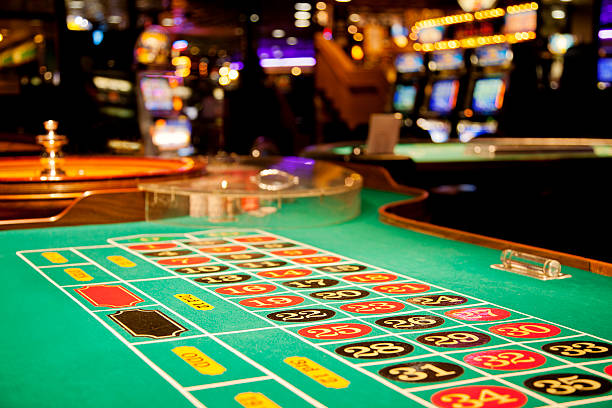
Brand identity is further reinforced through consistent use of motifs and themes. Many successful casinos use themed decorations and color schemes that align with their overall brand message. Whether it’s the opulence of a Las Vegas Strip casino or the understated elegance of a boutique casino, each design choice is intentional and aligned with the intended audience. This cohesive branding strategy aids in distinguishing the casino from its competitors, thereby attracting a loyal customer base.
Furthermore, a well-established brand identity can lead to increased word-of-mouth promotion. When players have a memorable experience tied to a specific theme or aesthetic, they are more likely to share that experience with others. This organic marketing is invaluable and relies heavily on the thoughtfulness of color and design elements. Consequently, the visual narrative of a casino is not just ornamental; it is an essential aspect of cultivating a strong and appealing brand presence in a crowded marketplace.
Conclusion and Insights on Casino Design
As we have explored, the selection of colors and designs in casinos serves multifaceted purposes, from influencing player behavior to creating a distinct brand identity. The deliberate choice of colors can elevate the gaming experience by eliciting emotional responses and promoting engagement. Similarly, thoughtful design elements and effective layout contribute to the overall atmosphere, guiding players through an unforgettable journey.
The importance of lighting cannot be overstated, as it shapes perceptions and enhances sensations, making each moment feel unique and thrilling. Together, these elements create a cohesive environment that invites players to immerse themselves in entertainment, ultimately leading to increased customer retention and spending. Thus, casino design is as much about aesthetics as it is about strategy.
In summary, the intricate interplay of color, design, and lighting reflects a deep understanding of human psychology and business acumen. As casinos continue to evolve, the focus on these elements will remain paramount, ensuring that they create spaces that captivate and resonate with their audience. The thoughtful integration of these components will shape the future of casino experiences, emphasizing the lasting impact of design on player engagement and success.
